






Dubai’s next wave of growth may not be defined only by new buildings. It will be defined by how quickly people, businesses and goods can reach them.
The approval of the New Fourth Corridor adds another major piece to Dubai’s long-term infrastructure network. The approximately 80-kilometre corridor will connect Al Shanouf Road in Sharjah with Al Faya Road in Abu Dhabi, passing through Dubai, and will be developed in two phases.
For the real estate market, the important question is not simply where the road will run.
It is: What happens to neighborhoods when connectivity changes?
An 80-Kilometre Shift in Connectivity
The New Fourth Corridor will become the fourth strategic road corridor connecting the UAE’s emirates, alongside Sheikh Zayed Road, Sheikh Mohammed bin Zayed Road and Emirates Road.
The project will include 12-lane roads, 72 bridges, 17 tunnels and 45 stormwater drainage culverts. It will also connect with major infrastructure including Al Maktoum International Airport and the Etihad Rail route.

Phase 1 will cover approximately 30 kilometres between Al Shanouf Road and Dubai–Al Ain Road. It is expected to reduce the journey between these points from 35 minutes to 14 minutes, while serving around 600,000 people and accommodating up to 24,000 vehicles per hour in both directions.
Phase 2 will extend another 50 kilometres from Dubai-Al Ain Road towards Al Faya Road in Abu Dhabi. That phase is expected to reduce the journey time from 50 minutes to 24 minutes and serve around 3.1 million people.
These numbers matter for property because accessibility is one of the factors that can influence how people evaluate a location.
The Real Estate Impact Will Be Bigger Than the Road Itself
Infrastructure automatically increase property values and it can change the relationship between neighborhoods and the rest of the city.
When travel becomes easier, locations that were previously considered relatively distant can become more accessible to residents, businesses and investors.

It can influence:
- Daily commuting patterns
- Buyer preferences
- Rental demand
- Developer interest
- Commercial activity
- Logistics connectivity
- Future land-use potential
For Dubai, this is particularly relevant because significant development is continuing towards the emirate’s outer growth corridors.
The New Fourth Corridor is therefore worth watching not only as a transport project, but as part of the infrastructure supporting Dubai’s next development cycle.
- Dubai South: Connectivity Adding to Its Growth Story
Dubai South is already positioned around major aviation, logistics and economic infrastructure.
The New Fourth Corridor’s connection to Al Maktoum International Airport adds another layer to that story. The official announcement specifically identifies the airport as one of the major projects connected by the corridor.
For property, this strengthens the importance of looking at Dubai South as more than a residential destination.
Its future is closely linked to aviation, logistics, commercial activity and large-scale urban development. Improved road connectivity could further support movement between these and the wider UAE road network.
2. The Dubai-Al Ain Road Corridor: A New Connectivity Advantage
The Dubai-Al Ain Road becomes particularly important because both phases of the project connect through this corridor.
Phase 1 terminates at Dubai-Al Ain Road, while Phase 2 continues from it towards Abu Dhabi. The project will also widen part of Dubai–Al Ain Road from three to four lanes in each direction between Emirates Road and Lehbab Road.
This places communities along and around the Dubai-Al Ain Road within an important infrastructure story.
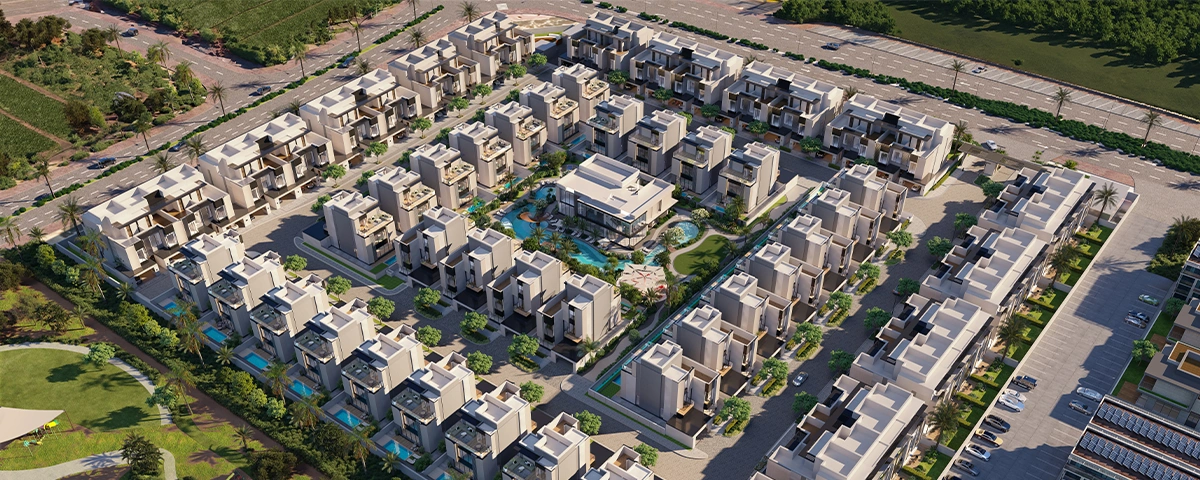
The Valley by Emaar is one example.
The community already sits within Dubai’s emerging residential growth belt. As connectivity improves, the conversation around such communities increasingly shifts from:
“How far is it?”
to:
“How connected will it be?”
That distinction can become increasingly relevant when buyers compare established locations with newer master-planned communities.
3. Outer Communities Could Gain from Better Access
Dubai’s residential map has expanded considerably beyond the traditional central areas.
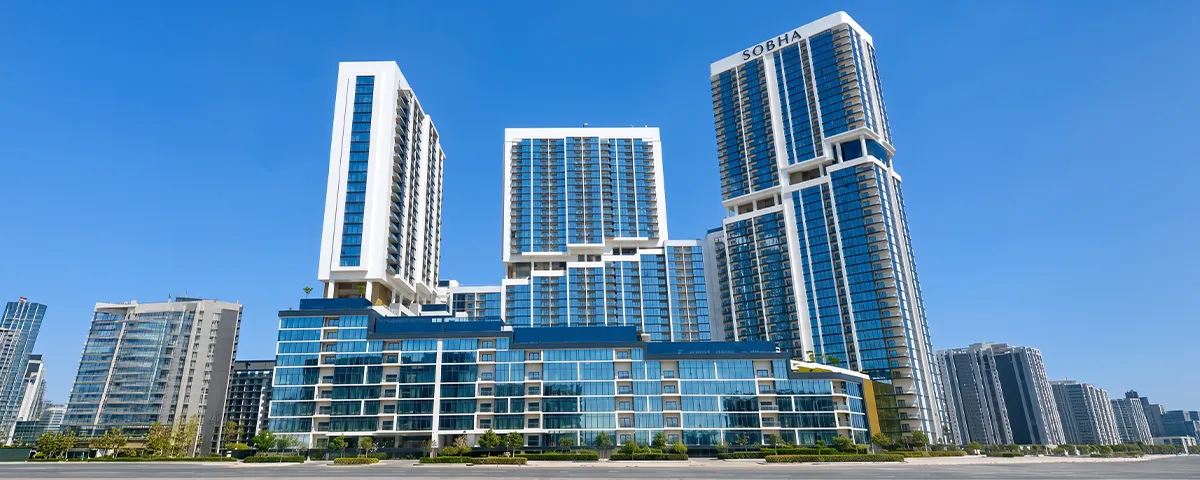
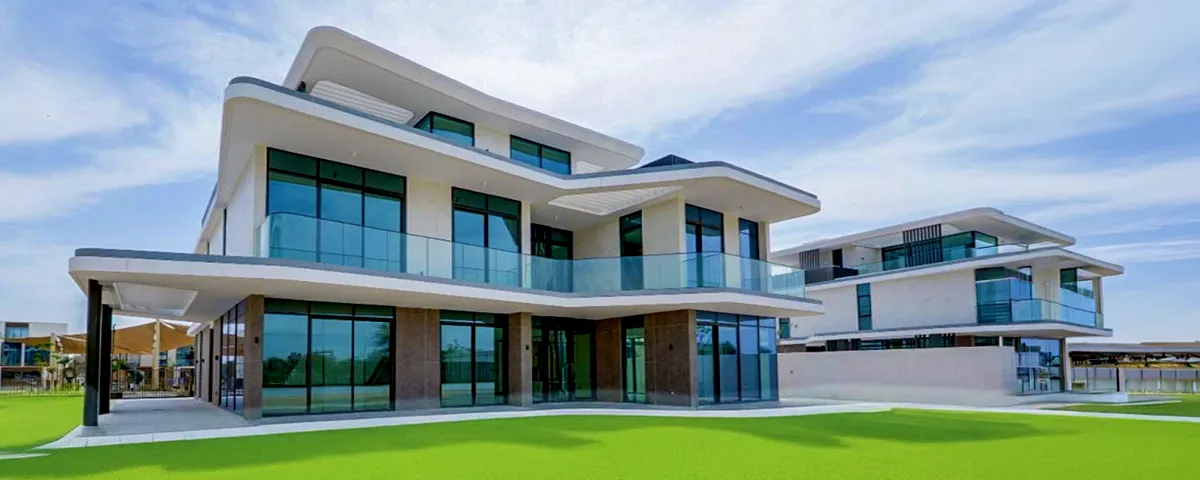
Communities such as Sobha Sanctuary, Mudon, Arabian Ranches and The Sustainable City represent different stages and formats of Dubai’s suburban development.
For these areas, connectivity can influence how residents access employment centers, schools, retail destinations and major transport routes.
Distance from the actual corridor, access points, surrounding infrastructure and future road connections will matter.
4. Logistics Could Reshape More Than Residential Demand
One of the most important aspects of the project is its role in commercial and logistics movement.
Dubai’s Roads and Transport Authority has stated that the corridor will help divert through traffic, particularly trucks, away from urban areas while supporting logistics and commercial transport.
That has implications beyond residential real estate.
Better movement between major logistics routes, Al Maktoum International Airport, Etihad Rail and the wider federal road network could reinforce demand for strategically positioned industrial, logistics and commercial locations.
This creates another property question: Where will businesses want to locate when movement becomes easier?
5. Infrastructure Can Create the Next Investment Conversation
Dubai’s property market has repeatedly expanded alongside improvements in roads, transport, airports and other major infrastructure. The New Fourth Corridor continues that pattern.
But the most important opportunity may not necessarily be the neighborhood sitting immediately beside a new road. It may be the areas that become better connected to several economic centers at the same time.
That is where investors need to look beyond today’s commute times.
They need to consider:
Connectivity today. Infrastructure under development. Planned access. Economic activity. Future population growth. And the maturity of the surrounding community.
What Property Buyers and Investors Should Watch
As the New Fourth Corridor moves from approval towards implementation, several questions will become increasingly relevant for property analysis:
1. Which communities will have direct access to the new corridor?
2. Where will new interchanges and access roads be located?
3. Which development areas are likely to see stronger commercial activity?
4. How will existing infrastructure connect with the new route?
5. Which communities are still early in their development cycle?
The Bigger Picture
The New Fourth Corridor is not simply another highway.
It is part of a broader infrastructure network connecting people, communities, airports, logistics routes and economic centres across the UAE. For Dubai real estate, that makes it an important development to monitor.
The immediate question is not:
“Will this road increase property prices?”
The more useful question is:
“Which locations could become more strategically connected as Dubai expands?”
That is where the real estate conversation begins.
At Al Ruwad Real Estate, we believe property decisions should be viewed in the context of the wider city, including infrastructure, accessibility, development plans, community maturity and long-term market positioning.

